

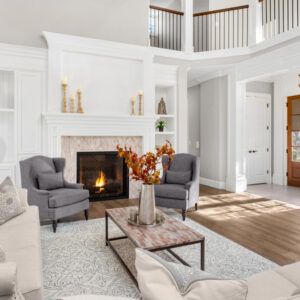
One of the biggest challenges in home decor is striking the right balance between textures and finishes. Too much of one material can make a room feel flat or overwhelming, while the right mix creates depth, harmony and visual interest. Designers have long understood the subtle magic that happens when wood, glass and metal come together. In many ways, it has itself united modern interiors across decades and multiple fashions, styles and aesthetics.
Whether you’re redecorating a single room or giving your entire home a makeover, learning how to combine these materials thoughtfully can completely transform your space.
The Warmth of Wood
Wood has an irreplaceable role in interiors. Its natural grains, earthy tones and tactile surfaces bring warmth and comfort into a home. From oak dining tables to walnut shelving, wood grounds a room, making it feel lived-in and inviting.
However, using wood alone can sometimes feel heavy, especially in smaller spaces. That’s where balance comes into play. Pairing wooden furniture with lighter, reflective elements like glass or sleek metals helps soften its presence while keeping the overall look modern.
The Lightness of Glass
Glass is the great equaliser of interior design. It introduces transparency, airiness and light into a room, ensuring that heavier elements don’t overwhelm the space. A glass coffee table, for instance, allows a beautiful rug beneath to remain visible, while glass cabinet doors can make a kitchen feel larger and more open.
Glass also serves as a bridge material. It can effortlessly pair with both wood and metal. A wooden dining table topped with a glass surface combines rustic charm with sophistication, while glass shelving with metal brackets offers a sleek, contemporary edge.
The Strength of Metal
Metal is the element that injects modernity into a space. It adds structure, shine and a sense of durability. From stainless steel appliances in the kitchen to brushed brass hardware in the bedroom, metal details can elevate a room’s entire aesthetic.
Not all metals feel the same, of course. Warm-toned finishes like brass and copper bring richness, while cooler options like aluminium and steel create a more minimalist or industrial vibe. Even subtle details, such as curtain rods or lamp bases, can help tie a design together.
For example, modern furniture often incorporates round tube aluminium in its frames. This material is lightweight yet strong, offering clean lines that complement both rustic wooden elements and delicate glass surfaces. It’s these small but thoughtful touches that create cohesion across mixed materials.
Finding the Right Balance
When mixing wood, glass and metal, proportion is key. Start by deciding on a dominant material – this is often wood, as it feels the most natural. Then layer in glass and metal accents to avoid overwhelming the senses. Too much glass can make a space feel cold, while too much metal can feel stark or industrial.
A simple formula is to let wood set the foundation, use glass to open up the space and rely on metal for structure and detail. Think of a living room with a wooden floor, a glass coffee table and a metal-framed bookshelf. Each material serves a purpose while complementing the others.
Why Mixed Materials Work
What makes mixed materials so effective is the way they play off one another. Wood appeals to our sense of comfort, glass reflects light and adds openness and metal provides strength and precision. Together, they create interiors that feel layered, dynamic and timeless.
In an age where homeowners are moving away from cookie-cutter interiors, mixing materials allows for personalisation and creativity. It’s an approach that embraces contrast rather than shying away from it.
Final Thoughts
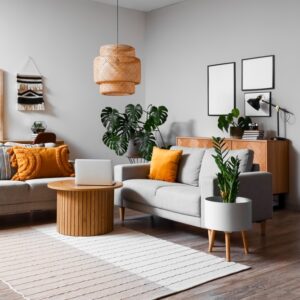
Balancing wood, glass and metal is less about following strict design rules and more about creating harmony in your home. By experimenting with combinations and layering different textures, you can design a space that feels both stylish and welcoming.
So next time you’re thinking of a redesign, or picking out a new piece of furniture to add, consider a reclaimed wood dining table paired with a glass top or a glass-fronted cabinet with brass handles. Because the best interiors often come from mixing, not matching.